
Inspection guides
Drone roof inspections: what they reveal and when to book one
The key point
A drone roof inspection is most useful when you need a clear record of hard-to-see exterior details and a sensible plan for closer checks.
The roof looks fine from the driveway, yet a room below has developed a stain. Or a contractor has recommended a large repair without showing you exactly where the problem sits. These are good reasons to improve the evidence before committing to a scope of work.
A drone roof inspection provides photographs of accessible roof slopes, junctions and high-level features. Its value lies in connecting those views to locations, observations and actions. A collection of impressive aerial pictures, on its own, is not a maintenance plan.
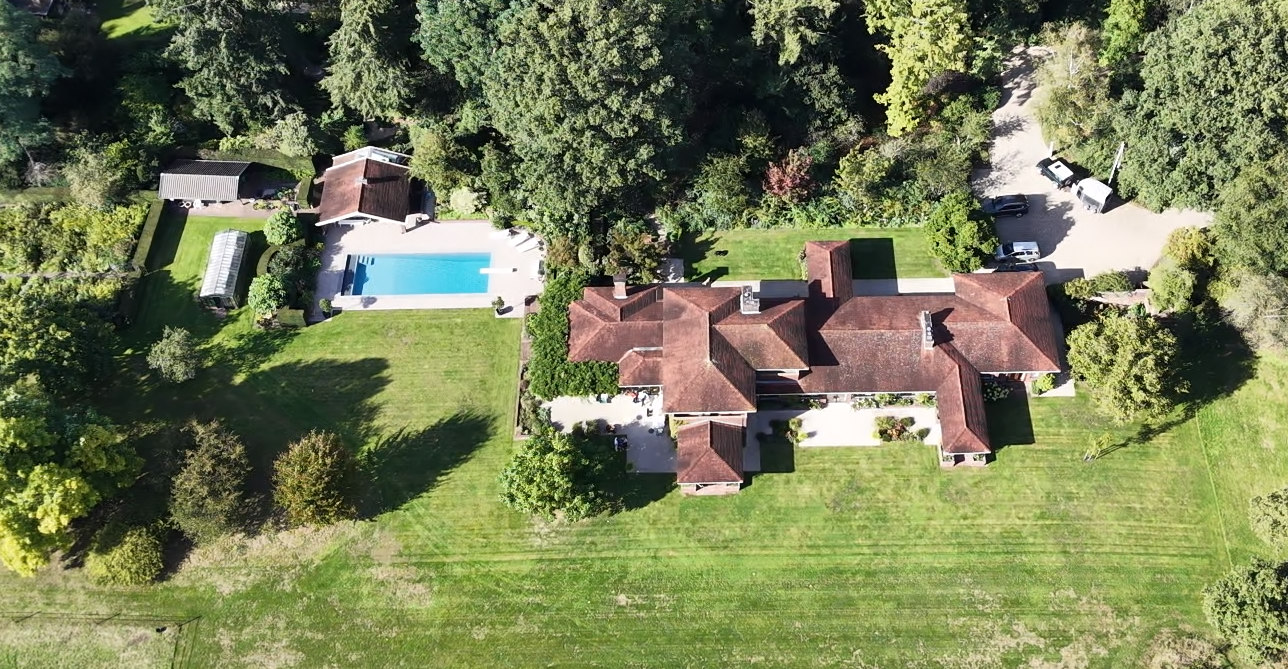
What can a drone roof inspection show?
From suitable viewpoints, photographs can document displaced-looking roof coverings, debris in valleys, weathering on chimney covers and unusual details at roof-to-wall junctions. The report should explain what is actually visible rather than automatically calling every irregularity a defect.
Historic England’s remote-inspection guidance demonstrates the use of drones for building imagery while emphasising that effective inspection involves more than simply collecting photographs. Planning coverage and interpreting the results matter.
What the camera cannot confirm
An external image cannot prove that a roof is watertight, reveal every concealed layer or establish the strength of a fixing. A dark patch may deserve investigation without identifying its cause. An apparently open flashing detail may need a close inspection before anyone specifies a repair.
Standard colour photographs also do not measure heat loss. Thermal imaging, moisture testing, internal inspection and a measured survey are different tasks. Ask which are included rather than assuming they come with the flight.
- Record areas hidden by trees, roof geometry or other obstructions.
- Separate visible observations from suspected causes.
- Specify when a roofer, surveyor or other specialist should investigate.
- Treat an unobserved area as unknown, not as being in good condition.
When it is worth arranging
Useful triggers include setting a maintenance baseline, investigating a reported exterior concern, preparing a renovation brief or documenting a roof before a property transaction. Repeat inspections can also help compare the same component over time, provided the viewpoints and coverage are reasonably consistent.
Where there is active water entry or material that could fall, arrange prompt professional assessment rather than waiting for a routine appointment. Photographic evidence can support that response, but the immediate priority is the affected area and the people using it.
How to prepare for the visit
Send the property address, the buildings you want included and a short account of the issue. Explain whether a stain appears only during particular weather, whether work has already been attempted and which parts of the property are difficult to access. Existing photographs are useful even when they are taken from ground level.
The operator needs to assess the site and flight conditions. A requested date is not a guarantee that every viewpoint will be achievable. Agree how restricted coverage or unsuitable weather will be handled before the appointment.
- List the main house and any outbuildings separately.
- Identify known concerns on a plan or overview photograph.
- Share earlier reports and relevant repair records.
- Confirm the deliverables, exclusions and expected reporting time.
Turn the findings into a decision
A useful report lets you trace each recommendation back to a photograph and location. Ask for an observation, a priority and a proposed next step. For example, a raised metal edge might lead to a targeted check of restraint and overlap, rather than an immediate recommendation to replace a whole roof.
Keep the report alongside the contractor’s diagnosis, quotation and completion photographs. That creates a record of what was seen, what was confirmed and what was done. Focal’s sample dashboard shows how an exterior inspection can be organised by building component.
Published by Focal Inspections. These guides explain external visual inspection and maintenance planning; the appropriate investigation and repair depend on the building. Source links are included alongside the relevant guidance.
About Focal InspectionsPut the evidence to work.
Tell us about your property and the decisions you need to make. We’ll help define the inspection scope.