
Inside a report
How to read a property condition report: a real estate example
The key point
Read the individual findings before the overall score. The most useful part of a condition report is the link between an observation, its evidence and the next action.
An inspection report should help you decide what to do next. A score can make the overview easy to scan, but it cannot carry the whole meaning of the assessment. Two components with similar scores may need different kinds of action, and one priority item can matter more than the average.
Focal’s example report concerns a country estate in the Netherlands, inspected externally by Henry Wynaendts on 21 September 2026. It provides a useful way to explain how to move from photographs to a maintenance plan. The inspection did not include an internal assessment.
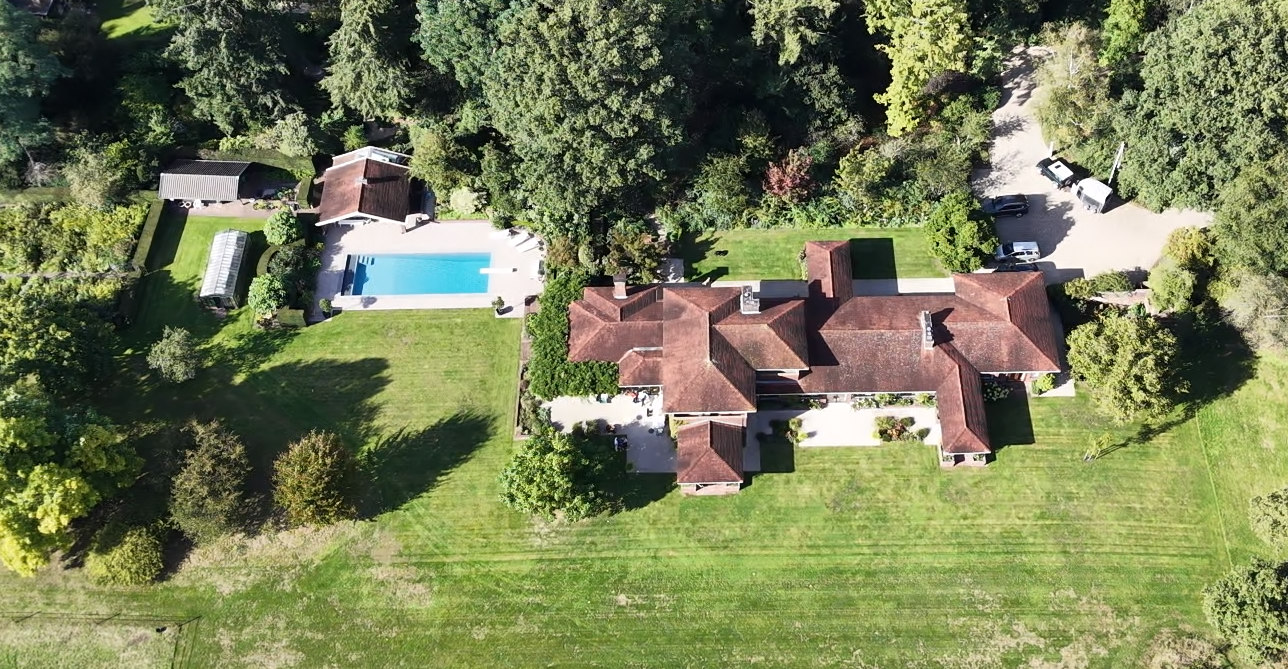
Read the scope before the findings
Start with the inspection date, who carried it out and which areas were included. An exterior report is a record of the visible external condition within its scope. It does not establish the condition of concealed layers or everything inside the building.
Check how the report uses photographs and graphics. In this example, the estate model is illustrative and helps locate component groups. It is not a measured survey and should not be used to order materials or calculate construction quantities.
Reference: Download Focal’s example property condition report
Understand what 63/100 means
The sample dashboard gives eight component scores: 63 for roof tiles and ridges, 38 for flashings and junctions, 39 for chimney covers, 58 for valleys and drainage, 83 for masonry and sill bands, 82 for the porch timber finish, 86 for window frames and roof-edge trim, and 57 for vegetation clearance.
Their arithmetic mean is 63.25, displayed as 63/100. This is an overview of this assessment, not a percentage of the building that is sound, a remaining-life calculation or an industry certification. The priority findings should guide action rather than the average alone.
Look first at the items needing closer checks
The lower scores for flashings and chimney covers direct attention to specific details. The report records a raised apron edge, an open-looking ridge fold and weathered cover surfaces. It does not claim that a leak or a hidden failure has been proven.
The next step is a focused examination of the relevant details: overlaps, restraint, returns, cover seams, fixings and penetrations as appropriate. This distinction helps an owner commission the missing investigation rather than treat a photograph as a complete diagnosis.
Follow the evidence references
A finding should lead you to a photograph and a location. In the sample, references such as F01–02 and E23–24 connect the narrative to supporting material. These references are useful when discussing the work with a contractor: everyone can point to the same detail.
Check that the image actually supports the wording. “Debris visible at the valley head” is a narrower observation than “drainage blocked”. The former can be photographed; the latter may need a functional check. Clear reporting preserves that difference.
Convert recommendations into an action register
For each item, write down the proposed next step, who will arrange it and when it will be reviewed. Separate closer investigation from maintenance and monitoring. Keep an item open until the agreed action has been verified, not simply until a quotation has been received.
Vegetation clearance is a good example. In the report, climbers conceal wall details. Selective pruning is intended to expose the area for inspection; it does not establish that hidden masonry is damaged or that wholesale removal is necessary.
Use the first inspection as a baseline
The sample dashboard contains one recorded inspection. There is therefore no measured trend yet. A later visit can add a comparison, but changes in coverage, lighting and viewpoint should be considered before attributing a different appearance to deterioration.
Keep the report, subsequent specialist findings and completion photographs together. That gives the next reviewer a record of both the building’s appearance and the decisions made since the baseline. The purpose is better-informed care, not simply a higher score.
Published by Focal Inspections. These guides explain external visual inspection and maintenance planning; the appropriate investigation and repair depend on the building. Source links are included alongside the relevant guidance.
About Focal InspectionsPut the evidence to work.
Tell us about your property and the decisions you need to make. We’ll help define the inspection scope.